The Best Fabrics for Swimwear Brands in 2026
Launching a swimwear brand is exciting, but let’s be real, choosing the right fabric can feel overwhelming. With so many options (and so much buzz around “sustainable swimwear fabric”), it’s hard to know which one will actually work for your brand.
At Bali Summer, we’ve worked with hundreds of startup and growing swim labels, and we know one thing for sure: the fabric you choose sets the tone for your whole collection. It affects how your swimsuits feel, how long they last, how sustainable your brand story is, and yes, even how your customers perceive your value.
So, let’s dive into the fabrics shaping the swimwear industry in 2025 and help you figure out which one makes the most sense for your brand.
Why Fabric Choice Matters
 Think about it: swimwear isn’t like everyday clothing. Your customers expect their swimsuits to stretch, recover, resist chlorine and salt, and look great after multiple beach trips.
At the same time, 2026 shoppers are more conscious than ever. They want to know: Is this fabric recycled? Is it ethically sourced? Will it last?
And that’s where your fabric decision becomes part of your brand story. Are you positioning yourself as:
- Luxury? Customers will expect buttery-soft fabrics with a perfect fit and flawless finish.
- Budget-friendly? They’ll want affordable, durable swimsuits without too much compromise.
- Activewear? Think high stretch, quick-dry, and chlorine resistance
- Eco-conscious? You’ll need fabrics like ECONYL® or REPREVE® that show your brand walks the talk.
Your market positioning and your fabric choice go hand in hand.
Fabrics Every Swimwear Brand Should Know in 2026
 1. Nylon & Polyester Blends – Affordable & Versatile
The “classic” swimwear fabrics, nylon (polyamide) or polyester, blended with elastane for stretch. They’re cost-effective, widely available, and reliable.
Polyester is especially great for resisting chlorine, while nylon gives that smooth, soft feel people associate with premium swimwear.
The trade-off? These virgin fabrics aren’t eco-friendly, and in 2026, that matters more than ever. If your brand is purely cost-driven or mass-market, they still have a place. But if you’re aiming for sustainability, it’s time to look at the newer options.
2. Lycra & Spandex – Premium Performance & Fit
If you’ve ever slipped into a swimsuit that hugged in all the right places, chances are it had a generous amount of Lycra (aka spandex or elastane). It’s what gives swimwear its stretch and recovery, making sure it fits beautifully and keeps its shape.
Luxury brands and activewear swim lines almost always invest in higher Lycra percentages. It costs more, but it delivers on performance and premium feel.
3. Recycled Fabrics (ECONYL®, REPREVE®) – Sustainability in Action
Here’s where things get exciting. Recycled fabrics are no longer “niche”, in 2026, they’re mainstream.
- ECONYL® is regenerated nylon made from discarded fishing nets and textile waste.
- REPREVE® is polyester made from recycled plastic bottles.
Both fabrics perform just as well as virgin synthetics, but with a fraction of the environmental footprint. They’re perfect for eco-conscious or premium swimwear brands, and customers love the story: “This bikini used to be a fishing net.”
The only challenge? Cost and MOQs can be higher.
That’s why at Bali Summer, we help startups with low MOQ swimwear production, so you don’t have to order thousands of meters just to get started.
4. Innovative Textiles for 2026 – Biodegradable & Tech-Infused Options
Innovation in swimwear fabrics is moving fast. Brands are experimenting with:
- Bio-based polyamides (made from plants instead of fossil fuels).
- Biodegradable blends that break down faster at the end of their life cycle.
- Tech finishes like UV protection, quick-dry, or antimicrobial properties.
These fabrics are still on the premium side, but if your brand is all about being ahead of the curve, they can be a powerful differentiator.
Choosing Fabrics Based on Your Brand

Here’s the simple way to think about it:
- Luxury brands: Go for fabrics with a silky-soft feel, higher Lycra content, and exclusive finishes. Premium recycled fabrics like ECONYL® give you sustainability and luxury.
- Activewear swim brands: Performance is everything. Polyester blends with higher spandex, chlorine resistance, and quick-dry finishes are your best bet.
- Eco-conscious brands: Recycled or bio-based fabrics should be non-negotiable. Certifications like OEKO-TEX® add credibility.
- Budget-friendly swim lines: Nylon or polyester blends with lower elastane content keep costs down, while still offering reliable performance.
What to Consider Before You Order Fabrics
Low MOQ Matters
If you’re just starting out, ordering 1,000 meters of a single fabric is… not realistic.
That’s why we specialize in low MOQ swimwear production, so you can test fabrics and styles without overcommitting.
Bali’s Advantage for Startups
Here’s a perk most new founders don’t realize: Bali’s tax-free import/export policies for fabrics make sourcing more affordable.
That means your startup can access premium fabrics without breaking the bank.
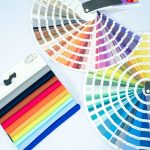
Sampling & Swatches
Before committing, you should always test. How does the fabric stretch? How does it feel against the skin? How does it hold up in chlorine or saltwater?
That’s why we recommend trying Bali Summer’s introductory pack. It’s the easiest way to explore our most popular fabrics before going into production.
Build Smarter with the Right Fabrics
At the end of the day, the “best” swimwear fabric in 2026 isn’t just about performance or sustainability, it’s about finding the one that fits your brand identity, customer expectations, and budget.
If you’re still unsure, don’t stress. This is exactly what we help swimwear startups figure out every day.
Contact us to learn more about fabric options, sourcing guidance, and how Bali Summer can support your brand from the first sample to full production.